This article is part of the #ATTD2026 series prepared for the Loop and Learn Newsletter and the Open Source diabetes community. Here you’ll find the full version description of the presentation. Some parts of the text or images may overlap with the version published in Loop and Learn News. You can find the original graphic version of the newsletter here. Loop and Learn News is also available in a text-only version, which — thanks to automatic translations — allows reading in multiple languages and helps make the content accessible to a broader global community. It is also a great option for people with visual impairments. You can find the text only version of the newsletter here. Subscribe to Loop and Learn News here.
Closed-loop systems: Future challenges and considerations by Rayhan Lal
Rayhan Lal is one of the leading voices in today’s diabetes innovation landscape — not only as a Stanford clinician and researcher, but also as someone who continuously bridges the worlds of clinical care, technology development, and the real-life needs of people living with diabetes.
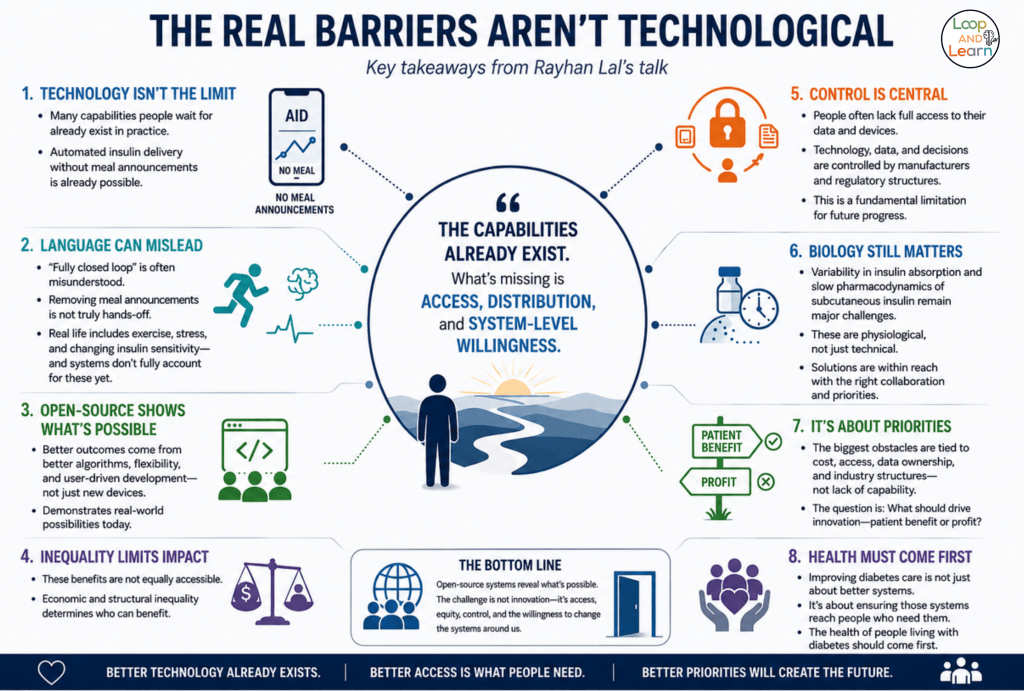
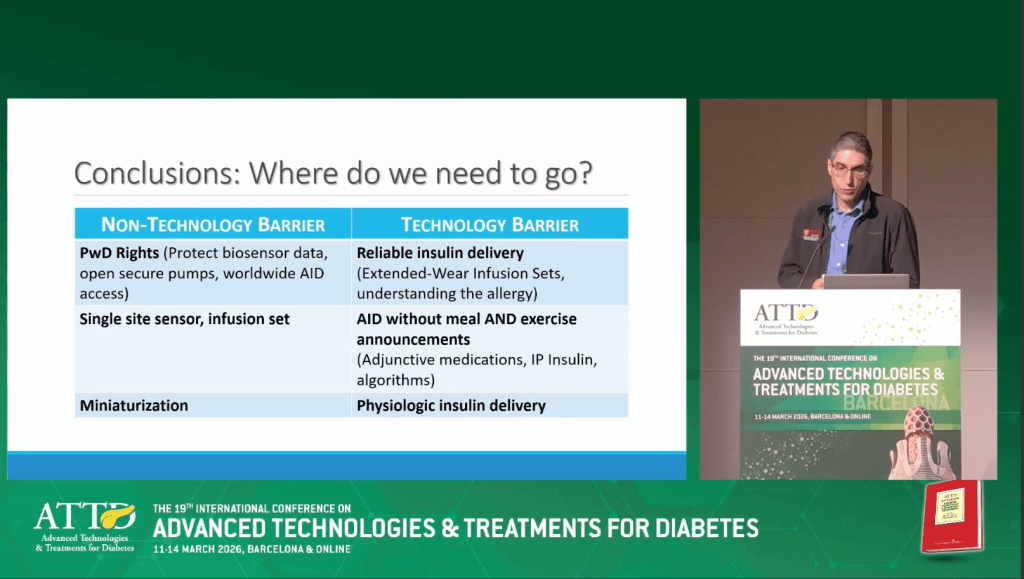
Throughout his talk, he kept returning to one central idea: the main barriers in diabetes technology are no longer technological. Many of the capabilities people are still waiting for — including automated insulin delivery without meal announcements — already exist in practice today. According to Lal, what is missing is not innovation, but access, distribution, and the willingness of healthcare systems to bring these solutions to the people who need them most.

He also challenged the way progress in diabetes technology is often presented — especially the growing use of terms such as “fully closed loop.” According to Rayhan Lal, removing meal announcements does not automatically create a truly hands-off system.
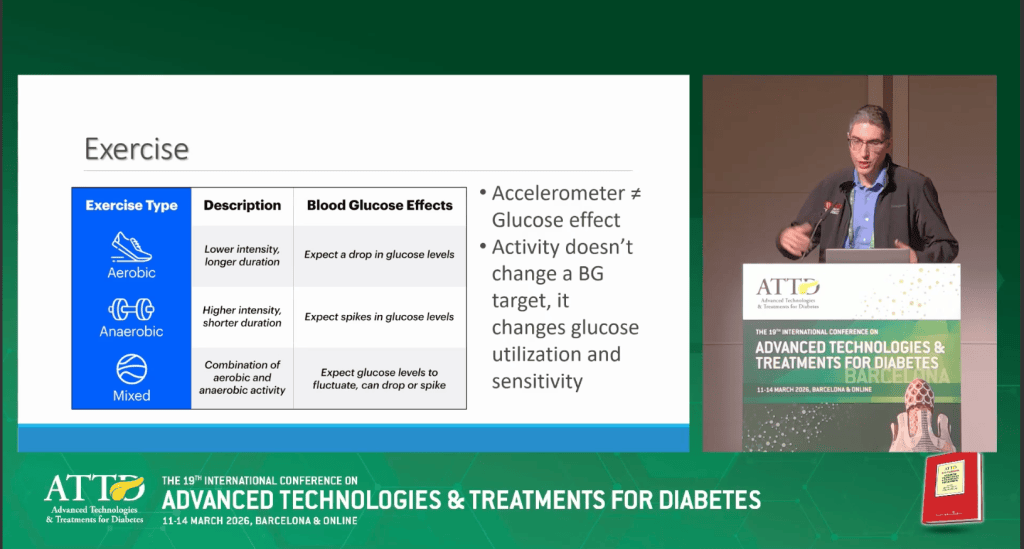
Real life is far more complex. Exercise, stress, illness, hormones, and constantly changing insulin sensitivity still remain variables that current systems cannot fully understand or manage on their own. In his view, there is still a meaningful gap between marketing language and the lived reality of diabetes — and that gap deserves to be acknowledged honestly.
Throughout the talk, Rayhan Lal repeatedly pointed to open-source systems as proof of what is already possible today. In his view, they demonstrate that outcomes can often be improved not through entirely new devices, but through improved algorithms, greater flexibility, and development shaped directly by the needs of users themselves.
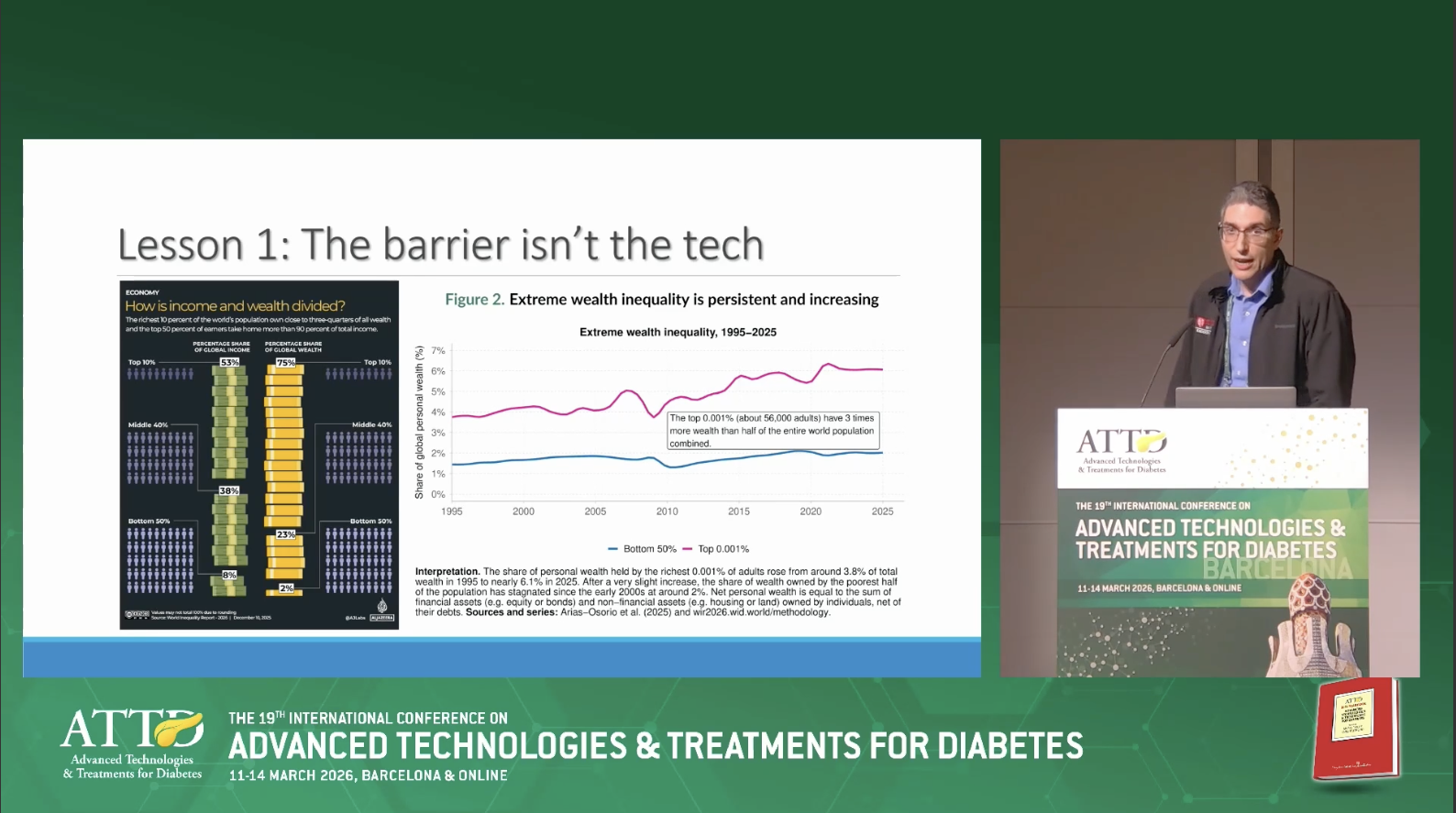
At the same time, he emphasized that these advances are far from equally accessible. Access to technology is still deeply influenced by economic realities, healthcare structures, geography, education, and systemic inequalities. The result is that while innovation continues to move forward rapidly, many people remain excluded from the very solutions that could significantly improve their daily lives.
Another strong theme running through Rayhan’s talk was the question of control — who controls the technology, the data, and ultimately the decisions shaping diabetes care.
He pointed out that many people living with diabetes still do not have full access to their own data or devices, as these remain heavily governed by manufacturers, closed ecosystems, and regulatory structures. In his view, this represents one of the fundamental limitations for future progress, particularly as diabetes technologies become increasingly data-driven and dependent on personalization. Without greater openness, transparency, and user agency, the full potential of these systems may never truly reach the people they are meant to serve.
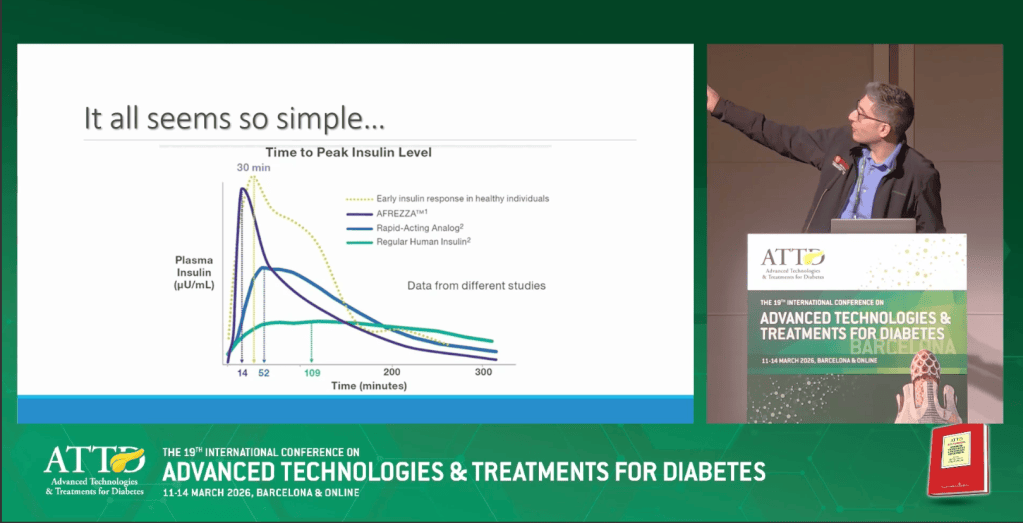
He also reflected on the biological realities that even the most advanced technologies still have to face. He spoke about challenges such as the variability of insulin absorption and the inherently slow pharmacodynamics of subcutaneous insulin, reminding the audience that some of the current limitations are physiological, not simply technical. At the same time, his message was far from pessimistic. He suggested that many of these barriers are not insurmountable, and that meaningful progress remains within reach — particularly if collaboration between researchers, developers, clinicians, industry, regulators, and people living with diabetes becomes more open, aligned, and willing to rethink existing priorities.
In the end, Rayhan Lal’s conclusion was not only technical, but deeply ethical. He argued that progress in diabetes care cannot be measured solely by how advanced a system becomes, but by whether those innovations actually reach the people who need them most.
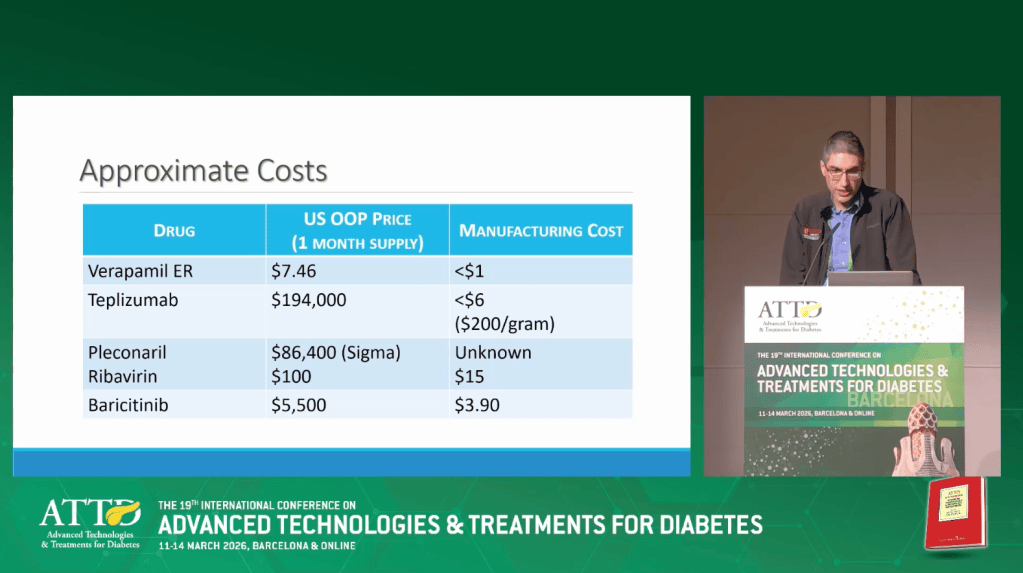
According to Lal, the biggest barriers today are no longer rooted in technological capability. They are tied to cost, unequal access, data ownership, regulatory limitations, and the structures through which the diabetes industry operates. Ultimately, he framed the future of diabetes innovation as a question of priorities: whether healthcare systems and technologies will be guided primarily by patient benefit or by commercial interests.
His message was clear — the health and well-being of people living with diabetes must remain the priority.
 #type1dmaniac