Preview: If you speak Italian, you are fortunate to understand the words of one of the foremost experts globally in the field of transplants and the definitive treatment of type 1 diabetes, Lorenzo Piemonti. A highly esteemed figure worldwide. On his Facebook profile, he provided a clear explanation of how the death of Brian Shelton, the first man to be cured of diabetes, has influenced Vertex VX-880 research. As the professor states in another of his posts: “The responsibility to communicate accurate information falls on all participants in the process, including researchers, translators, bloggers, and readers. It is imperative to preserve the integrity of scientific information to avoid misinformation and misunderstandings that ultimately damage the credibility of scientific research.” For this reason, I chose to share his words (including Italian and Slovak languages) on this topic beyond his personal profile, to reach a broader audience and disseminate accurate information, fulfilling my personal duty.
Days ago, social media was filled with news of Brian Shelton’s death.
“Brian, the first and courageous participant in Vertex’s clinical trials for VX-880, an innovative therapy based on fully differentiated insulin-producing pancreatic stem cells, left us on December 27, 2023.
On January 11, 1922, Leonard Thompson, a 14-year-old boy, became the first patient to receive an insulin injection, marking the beginning of a new era in the treatment of type 1 diabetes, which was often considered a sentence of premature death. On June 29, 2021, at the age of 64, Brian Shelton became the first person to be cured of type 1 diabetes through the transplantation of insulin-producing cells obtained from pluripotent stem cells, achieving another milestone in the history of medicine. His name, like Leonard’s, will forever be etched in the history of medicine.”
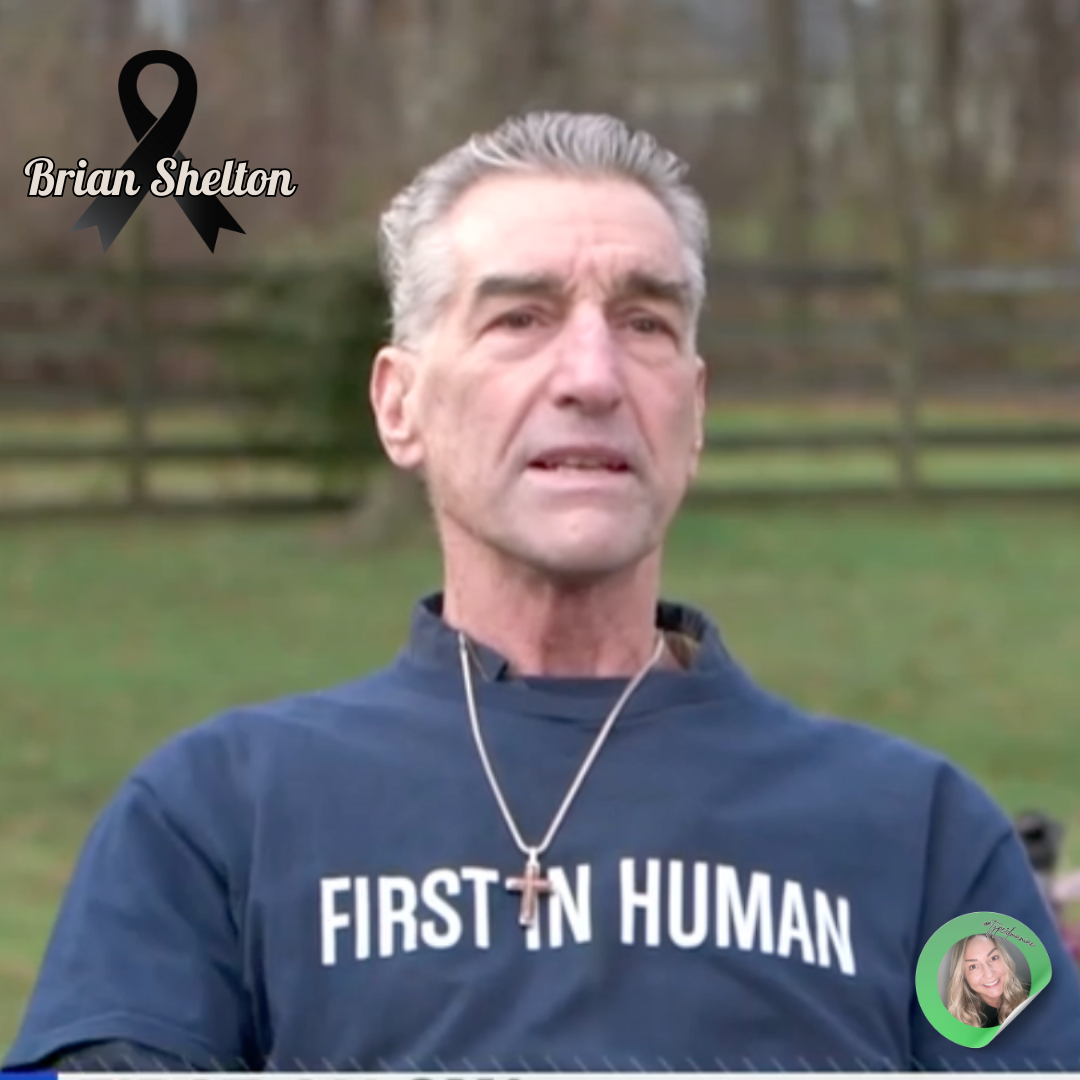
source: Good Morning America
What does this mean for VX-880 research? A halt. But beware, let’s clarify the facts
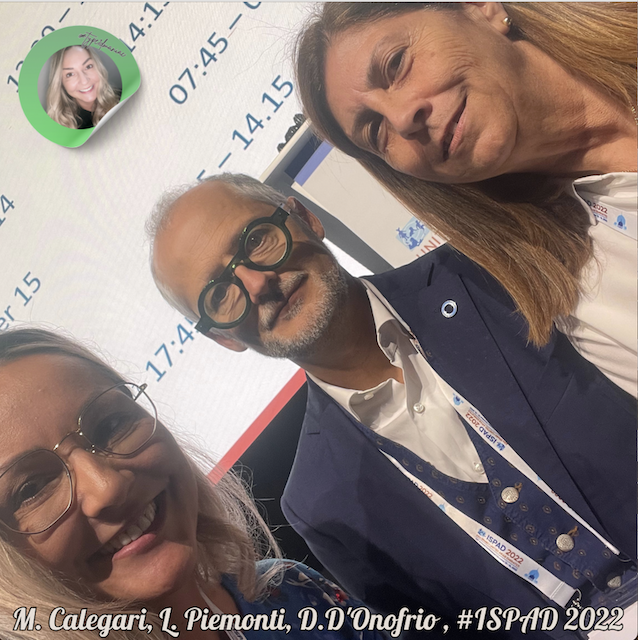
Lorenzo Piemonti, Director of the Diabetes Research Institute and the Regenerative Medicine and Transplantation Unit at Ospedale San Raffaele in Milan, provided a detailed statement about the event on his social network. Piemonti was elected president of the International Pancreas and Islet Transplant Association (IPITA) at the end of October during the 3rd Joint Congress IPITA-IXA-CTRMS in San Diego, USA. Pancreatic islet transplants have been performed at San Raffaele Hospital in Milan since 1989. The hospital has maintained its stabilized activity over the years, ranking it sixth globally in the number of transplantations performed as a single center.
As Piemonti emphasizes, it is crucial to understand that in all clinical trials, in the event of “adverse events” in participating patients, all doctors and involved personnel are notified. An adverse event is any unfavorable occurrence that happens to a patient after the administration of a drug, even if it may not necessarily be caused by its administration. This communication occurs with varying time intervals and in different ways, depending on the severity of the event. It also depends on whether it is associated with the experiment in which the patient is participating. The information is always timely, accurate, and comprehensive, aiming for complete transparency regarding what is happening in the study population (those participating in the experiment) concerning safety.
Secondly, all clinical trials have a “stopping rule,” or rules that determine when the research must be halted. These rules are defined before the recruitment of patients begins and usually relate to the number and/or severity of adverse events. When the “stopping rule” is triggered, the study is halted, and an independent committee assesses the entire documentation to express its opinion on whether the study maintains an acceptable risk-to-benefit ratio. If the response is positive, the study may continue, possibly with some adjustments to minimize certain identified risks. If the response is negative, the study is definitively stopped.
The death of Brian Shelton has activated the protocol for suspending the study, awaiting evaluation by an independent committee and the relevant regulatory authorities. This occurs even if it is not determined that the death had a direct relationship to the transplanted cell product by researchers or sponsors.
Up to this point, the VX-880 study has enrolled 14 subjects – individuals. All patients from groups A and B (6 in total), except one who withdrew from the study, have maintained proper blood sugar control and no longer require insulin. Patients in group C (8 in total) are progressing in a similar direction, but according to Piemonti, it is still too early to draw conclusions. Learn more about the revolutionary changes in diabetes therapy from Vertex Pharmaceuticals here.
The VX-264 study, utilizing the same cells as VX-880 but enclosed in a “shell” designed to eliminate the need for immunosuppressants, continues and is starting patient recruitment at the mentioned research center in Milan.
The professor concludes: “…science and experimentation, when conducted seriously, proceed with utmost caution. In cutting-edge protocols, it’s not crucial to run, but to arrive, to know when to accelerate when possible, and to slow down when necessary. This is the complexity of the last mile, knowing how to dose physical and mental strength to achieve the goal. We are on the journey, and we continue on it…”
Leave your personal message for Brian and his family in the guestbook of his memorial obituary here.
sources: Lorenzo Piemonti – Facebook, Diabetes Research Institute Ospedale San Raffaele
Check out:
Revolutionizing Type 1 Diabetes: A Glimpse into Vertex’s Game-Changing Therapies
Album from Prof. Piemonti’s presentation at ISPAD 2023: What’s New in Type 1 Diabetes Therapy
 #type1dmaniac