I am excited to share with you an article featuring the Diabetic Mogul podcast, where they recently had the esteemed guest, Chantal Mathieu. I want to bring the transcription of this episode to my readers as well.
It’s a great opportunity to gain valuable insights into the diabetes field and Chantal Mathieu’s expertise.
The podcast is made in co-operation between Tinotenda Dzikiti and Konstantina Taki and invite you to watch the original episode, if you are an English speaker, here but if you for any reason prefer to read, welcome on #type1dmaniac blog end enjoy re-writing of the episode. The article is available in Slovak and Italian by tapping on the language you prefer.
Who is Chantal Mathieu?
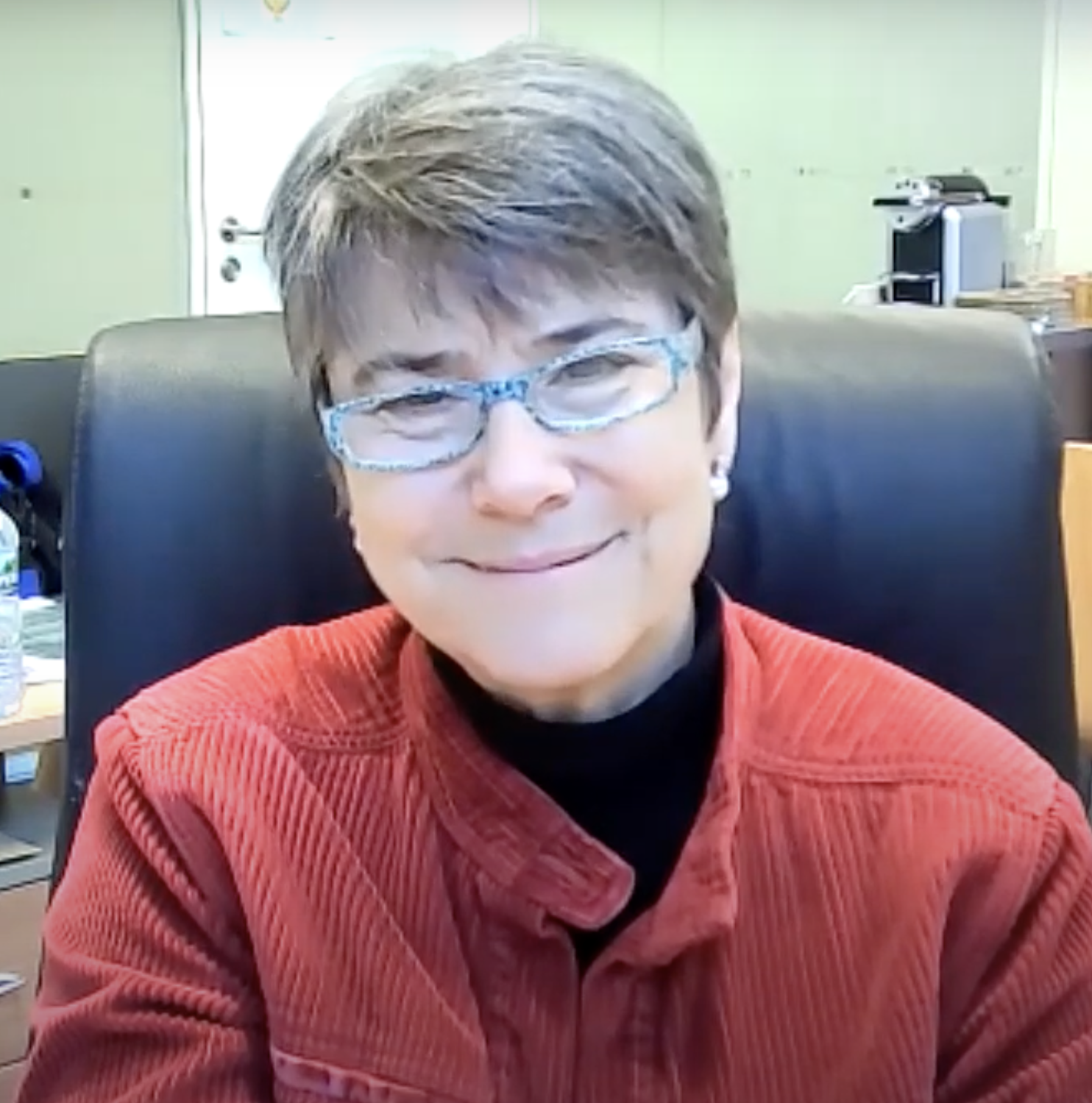
Chantal Mathieu is a highly regarded figure in the field of diabetes, and her accomplishments and contributions speak for themselves.
With over 30 years of experience as an endocrinologist, Chantal works in Leuven, Belgium, a country located just 30 kilometers from Brussels. Her expertise and dedication have led her to serve as the president of the patient association in Flanders, the European Diabetes Forum, and currently, she holds the prestigious position of president of the European Association for the Study of Diabetes (EASD).
Chantal’s impressive career and leadership roles demonstrate her commitment to advancing diabetes research, care, and advocacy on both national and international levels. Her expertise and passion for the field have made her a respected and influential figure among her peers.
By reading more about Chantal Mathieu, you will gain a deeper understanding of her significant contributions and the impact she has made in the world of diabetes.
Days in the Life of Chantal Mathieu
Chantal shares: Let me take you through a typical day in my life as an endocrinologist, professor, and board member of several associations, including the esteemed EASD.
I am an early bird, starting my day quite early by heading to the hospital where my laboratory is located, just outside Brussels in Leuven, Belgium. The first task on my agenda is checking my inbox, which usually leaves me with a deep sigh. On any given day, I receive around 300 to 350 emails. Although I’ve given up on achieving an empty inbox, I still dedicate a significant portion of my day to emailing and attending numerous virtual meetings via Zoom and Teams. These meetings connect me with colleagues from around the world, allowing us to discuss groundbreaking diabetes research and advocate for policies that prioritize diabetes on both European and Belgian political agendas.
If it’s a good day, I get to spend time with my colleagues who collaborate with me in our research efforts. I am fortunate to have an exceptional team. Together, we delve into understanding the complexities of type 1 diabetes, exploring how the immune system interacts with beta cells and ultimately leads to their destruction. Our research primarily focuses on humans, aiming to unravel the mysteries surrounding this disease.
A great day also involves coordinating with my dedicated colleagues at Innodia, an organization focused on collaborating across Europe and the world to prevent and halt the progression of type 1 diabetes. Currently, we are conducting various intervention trials in individuals newly diagnosed with type 1 diabetes, aiming to learn effective strategies for halting the disease’s advancement. These are the days when I feel a strong sense of fulfillment.
Another rewarding aspect of my week is dedicated to clinic work. I still see patients with type 1 or type 2 diabetes in the outpatient clinic for three to five half-day sessions. Guiding individuals on how to lead a fulfilling life, prevent complications, and manage their condition effectively brings immense satisfaction.
However, it’s not all patient care and research. Administrative tasks also occupy a considerable portion of my time. From writing reports to engaging with hospital managers and policy advocates, there are various bureaucratic responsibilities that come with the role. Though it can be tedious, I understand that administrative duties are an inevitable part of my journey as I grow older in the field.
You may recognize this room from webinars and virtual meetings. This is my Zoom room, my office space. While face-to-face meetings are gradually resuming, this space remains crucial for my work. It’s where I spend many weekends immersed in research and preparing for engagements.
A Journey to Transforming Type 1 Diabetes: Career Path and Pivotal Encounters
Chantal continues: My career path into internal medicine, which emphasizes accurate diagnoses and appropriate treatments, led me to specialize in immunology and eventually focus on type 1 diabetes. Two pivotal encounters with patients solidified my determination to improve the lives of those living with type 1 diabetes. One was a young man from my village who suffered a severe heart attack and received inadequate treatment despite the advancements in insulin therapy. The other was a young boy who progressively lost his vision and tragically succumbed to a severe hypoglycemic attack. These experiences profoundly impacted me, strengthening my resolve to transform the approach to treating, preventing, and ultimately curing this disease.
How would you advise families with a newly diagnosed child living with diabetes?
I have encountered numerous individuals with newly diagnosed type 1 diabetes, including families dealing with the condition. Additionally, I am involved in intervention studies with children. When advising them, I emphasize the importance of maintaining hope. Over the past three decades, significant advancements have occurred, such as the introduction of hybrid closed-loop systems, intelligent pumps, and sensors, which have revolutionized the lives of people living with type 1 diabetes.
Furthermore, I express my optimistic outlook on recent developments in islet transplantation and newly generated islets. Based on the data available, I firmly believe that hybrid closed-loop systems and intelligent pumps are just the initial steps toward replacing beta cells more effectively in individuals with type 1 diabetes.
Therefore, the primary message I convey is to hold onto hope. Additionally, I encourage individuals to integrate diabetes into their lives rather than allowing it to become an adversary. Instead of fighting against diabetes, I advise finding a way to coexist with it. It’s like having a little devil on your shoulder that is always present. You can choose to be content with its presence or let it make you unhappy. Finding a positive place for diabetes in your life is crucial. Acknowledge its existence but don’t allow it to hinder you. I have witnessed individuals with type 1 diabetes leading fulfilling lives, some as ordinary as my own, while others engage in extraordinary activities such as running marathons or cycling hundreds of kilometers each week. Therefore, my advice is to not let type 1 diabetes limit you but rather take care of your body, implement intensive insulin therapy, and embrace it as a companion in your life.
Can you provide us with some insights into the outcomes of your ongoing research on the relationship between vitamin D, the immune system, and diabetes, including the prevention of type 1 diabetes and the preservation of beta cell function?
Through my research, I have focused extensively on the immune effects of vitamin D. It has been discovered that immune cells have receptors for vitamin D and can activate it, suggesting a role for vitamin D in the immune system. Studies have shown that individuals with severe vitamin D deficiency are at a higher risk of bacterial infections and diseases such as tuberculosis. In our research on mice and humans, we have found that being genetically at risk for type 1 diabetes and having low vitamin D levels increases the risk of developing the disease. This highlights the importance of avoiding vitamin D deficiency, especially in early life, for individuals genetically predisposed to type 1 diabetes.
In mouse studies, we observed that administering high doses of vitamin D could delay or prevent type 1 diabetes. However, translating these findings to humans is challenging due to the toxic doses required in mice. Human studies require vitamin D analogs that have less impact on calcium and bone but still affect the immune system. Currently, there are no ideal analogs available, presenting a limitation in our research. Nonetheless, the key takeaway remains the same: individuals at genetic risk for type 1 diabetes should strive to avoid vitamin D deficiency in early life.
Our research on vitamin D has also provided insights into the behavior of the immune system in relation to type 1 diabetes. We have identified dendritic cells as crucial players in the immune system’s response and progression toward type 1 diabetes. Ongoing research, such as that conducted by Bart Roep in Leiden, explores how we can utilize dendritic cells to induce immune system tolerance toward beta cells, preventing their destruction. Additionally, we have made significant progress in understanding the balance between attacker and regulator immune cells. Vitamin D, along with other agents such as teplizumab, an FDA-approved antibody, can modulate this balance and delay the progression of type 1 diabetes by several years.
However, the accessibility and affordability of these treatments remain a concern. For instance, teplizumab’s high price makes it inaccessible to many individuals. We hope that future therapies targeting the immune system’s balance will become more affordable and accessible to people worldwide. Nevertheless, there is a message of hope for those at risk or newly diagnosed with type 1 diabetes, as new therapies are being developed. In Innodia, we are currently testing therapies that aim to interfere with the immune system or strengthen beta cells, providing optimism for the future.
Can you provide insights into the eligibility criteria and the impact of the projects conducted by Innodia on prevention and intervention in type 1 diabetes for individuals who have been newly diagnosed with the disease?
You have been in numerous seminars, conferences, and panels. What changes have you seen since people with diabetes started in such events? How important do you think is for people living with diabetes to represent in such events?
To me, this is crucial. And again, for a clinician working with people with diabetes, it’s obvious that they are our guides. They are the light in the harbor who say where we need to go. It’s obvious because you can design a study, make it into a beautiful study. But if the people you then want to recruit say, what? This is too intensive. This cannot be done. Then you have your beautiful study, but nobody will participate. So when we created Innodia many, many, many years ago, we had from the beginning what we call the Patient Advisory Committee that advised us on the protocol. If we said we want to do a blood sampling every month because it would be very interesting, they said, are you kidding us? You need to tell us why every blood sample is important. And then they guided us into making a realistic design where we could also recruit patients. So having the presence of patient voice, so the voice of people living with a disease or at risk of a disease when designing clinical studies is very important. But also for my basic research colleagues, it is crucial to have an interaction with people living with the disease you’re studying. Why? Because it’s like the light in the harbor. Why am I doing this? Where am I going? But also people with the disease want to know what does it mean to me. When we had this Patient Advisory Committee in the beginning, the basic researchers, when the patients asked the question, what does it mean to me? They explained their research in lay language, but that’s not what does it mean to me. What will this make as a difference? So in Innodia, we always introduce this, what does it mean to me? What will this change? Why are you doing this? My young researchers, my PhD students, they really appreciate this because they think themselves now, what does this mean to people with diabetes? Patient voice and having an audience of people living with the disease makes you translate your research in lay language, and that’s fine. But it also makes you translate it into what does it mean for the people? How will it change their life? And it’s important because people living with the disease are the taxpayers, and they raise funds and they bring attention to this disease. It’s an important and to me, an unavoidable combination. Many, many years ago, when Bastian from #dedoc asked to have a presence of people with diabetes in the EASD, the leadership said, oh, we cannot have patients inside. They needed to be in a hotel close to the meeting because it would be like they would infect the researchers. And so with clinicians coming in the board, we said, are you kidding us? Of course, they need to be inside. And so since many years now at EASD, but also other conferences, people living with the disease are present. And that’s the way it should be.
And you should also ask, “What does your research mean to me?”
People with type 2 diabetes
May I add something? People with type 1 diabetes have strong voices, and that’s great. However, I feel a bit frustrated by the lack of representation for people with type 2 diabetes. There seems to be discrimination between type 1 and type 2 diabetes, with the notion that people with type 2 diabetes are responsible for their condition, which is not the case. Type 2 diabetes occurs due to a weakened beta cell, and if the beta cell function was adequate, sufficient insulin would be produced. Unfortunately, there is a lot of stigma surrounding type 2 diabetes, making it challenging to find people with type 2 diabetes for patient advisory committees. So, if people with type 2 diabetes are listening, I want to emphasize that there is no reason for them to feel inferior to people with type 1 diabetes. It is simply a different disease, and both types deserve equal respect and understanding.
And the voice of people with type 2 diabetes should also be heard.
What progress has been made regarding the glycemic-related needs such as glycemic control, weight management, and risk of hyperglycemia, as well as addressing the chronic complications associated with diabetes? Have these needs been adequately met thus far?
As I mentioned earlier, there have been significant advancements in the treatment of type 1 diabetes today. The availability of insulin analogues, including long-acting and rapid-acting analogues, has allowed for a more flexible lifestyle. Continuous glucose monitoring and scanning glucose monitoring sensors have revolutionized data collection. Additionally, the integration of smart pumps with sensors has further improved diabetes management. However, one critical challenge that remains unaddressed is the issue of accessibility and affordability, even in wealthier countries like the United States. While recent changes have aimed to improve accessibility, it is still a major concern, particularly in regions like Africa, South America, and Asia. The accessibility of these essential treatments and medical teams is crucial. Many individuals, including my own sons years ago, have been treated by doctors who lack interest or knowledge in the latest developments. This underscores the reality that if you are treated by a healthcare provider with limited experience in type 1 diabetes, they may adhere to outdated treatment methods taught in medical school. Therefore, the greatest unmet need in my view is the accessibility and affordability of medical systems and tools for individuals with type 1 diabetes. Despite the availability of better treatment options, ensuring that everyone can benefit from them remains a significant challenge.
Continuous glucose monitoring (CGM) or an insulin pump, which option would you prioritize?
Without a doubt, the CGM (Continuous Glucose Monitoring) system. In Belgium, we conducted studies to evaluate the impact of introducing insulin pumps and sensors on hemoglobin A1C levels. Surprisingly, the introduction of pumps had only a minor impact, while the introduction of sensors had a significant and positive effect. If I had to choose, I would opt for the hybrid closed-loop system.
If you have one euro to spend, I would recommend investing it in a sensor.
Diabetes treatment in Belgium. Maybe just sort of like the status quo of diabetes in Belgium. What is it like?
Belgium is a good country to live in if you have diabetes because we do have access to all insulin analogues for people with type 1 diabetes. We have access to sensors. We have access to insulin pumps. So that’s all very good. For type 2 diabetes there we do have restrictions for the new agents like the GLP-1 receptor agonists and the SGLT-2 inhibitors because they are more expensive. Our government restricted the access in a very gluco-centric way. So only people with a specific BMI or a range of hemoglobin A1C can get a GLP-1 receptor agonist. And also we do not have reimbursement CGM in people with type 2. Which is a shame, I think. Even not those with insulin.
Do you have any final words of wisdom or advice for healthcare professionals, people living with diabetes, and the diabetes industry as a whole?
Final words of wisdom. First and foremost, for healthcare professionals in the field of endocrinology and diabetes care, I want to emphasize that it is an incredible and rewarding profession. It provides stimulation both in terms of diagnosis and treatment. Working with individuals living with a chronic disease is truly fulfilling. Personally, I have had the privilege of knowing my patients for over 30 years, witnessing important milestones in their lives such as the birth of their children or experiencing major life changes. It is fascinating to observe the entire journey of these individuals.
To those living with type 1 diabetes and their families, I urge you to embrace your condition. Allow it to find its place in your life. Rather than fighting against it, consider accepting it as a part of who you are. Diabetes is something you will live with, and considering it an enemy only drains your energy unnecessarily.
As for the diabetes industry, I implore you to remain committed to diabetes research and development. Continue to explore new agents and therapeutics, with a particular focus on type 1 diabetes. It is still a challenging condition, and our goal should be to find ways to prevent and ultimately cure it.
I was honored to be the guest of Diabetic Mogul podcast in April 2023. I invite you to watch the Original episode in English and read about it in Slovak or Italian.
Please, watch the original podcast episode with Chantal Mathieu :
 #type1dmaniac
[…] a užite si prepis epizódy. Článok je k dispozícii okrem slovenčiny, v taliančine a angličtine – stačí kliknúť na preferovaný […]
LikeLike
[…] per godervi la riscrittura dell’episodio. L’articolo è disponibile anche in slovacco e inglese, basta cliccare sulla lingua che […]
LikeLike