The mandatory screening for type 1 diabetes and celiac disease
Italy has recently approved a law that makes pediatric screening for type 1 diabetes and celiac disease mandatory. This is a significant step forward taken by the Italian Chamber of Deputies.
The country stands out as the first in the world to introduce a screening requirement for type 1 diabetes, which is expected to start in 2024. This measure recognizes the importance of considering this disease as a separate and specific issue, and it is supported by a dedicated funding, demonstrating a concrete commitment to the implementation of screening.
It represents an important advancement in preventing dangerous and sometimes fatal symptoms, such as ketoacidosis, in children aged 1 to 17 who are at risk of developing type 1 diabetes. Furthermore, it provides in-depth data to better understand the causes of the disease and develop pharmacological strategies to slow down or possibly stop its progression.
The legislation also includes early diagnosis of celiac disease, a potentially debilitating condition if not promptly recognized. In addition to screening, it establishes a National Observatory Committee.
Moreover, targeted information initiatives are planned to raise awareness among the population about type 1 diabetes and the risks associated with ketoacidosis. This combination of actions aims to ensure timely diagnosis and create greater awareness of the challenges related to type 1 diabetes.
It is worth noting the in-depth and participatory debate that took place in Parliament for two consecutive days, highlighting the attention dedicated to the health of people affected by this disease.
I would like to express my deep admiration and gratitude to the Fondazione Italiana Diabete for their unwavering commitment over the course of over 20 years to achieve this extraordinary result. The law represents the fruit of their tireless work, a significant step in the fight against type 1 diabetes, not only in Italy but also internationally, indeed worldwide. It is a tangible example of how community dedication can lead to concrete changes and improve the lives of people living with this disease. The FID itself recognizes the law in question as a heartfelt tribute “to Alessandro Farina and all the children who tragically lost their lives due to a missed diagnosis of type 1 diabetes. This law is also a recognition of all the children and adults living with type 1 diabetes who face the challenges imposed by the disease on a daily basis. They demonstrate extraordinary inner strength and limitless determination in managing diabetes and pursuing a full and satisfying life.” (Official FID Facebook page)
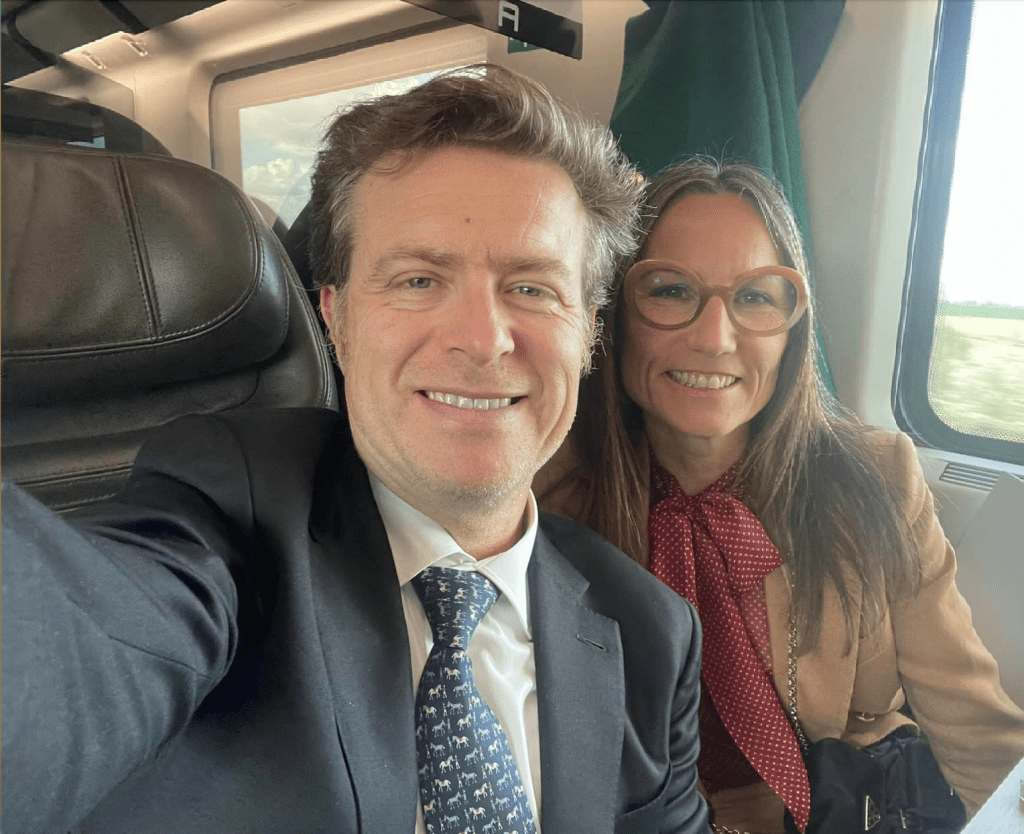
Nicola Zeni and Alessia Fugazzola, parents of a child who has been living with diabetes since the age of one and a half, founders of FID, source: Facebook FID
Organizations, people living with diabetes, politicians, and scientists
It is essential to recognize the value of collaboration among organizations, people living with diabetes, politicians, and scientists in the fight against type 1 diabetes. This multidisciplinary approach involves key stakeholders.
Dedicated organizations and ambassadors involved in promoting and researching diabetes play a crucial role in mobilizing resources, raising public awareness, and supporting scientific research. They work to ensure access to quality care and innovative therapies, as well as educate and advocate for the rights of people with diabetes.
People living with diabetes, at the heart of this battle, offer valuable experiences and voices that guide decisions and actions. Their active involvement helps better understand needs, challenges, and aspirations, leading to more effective solutions and improving the quality of life.
Politicians play a key role in promoting public policies that support prevention, early diagnosis, access to quality care, and research on type 1 diabetes. Collaboration with politicians is crucial for the adoption of laws and policies that facilitate the implementation of screening programs and access to advanced therapies.
Scientists and researchers are essential in developing new therapies and searching for a cure for type 1 diabetes. Collaboration among organizations, people with diabetes, politicians, and scientists promotes the exchange of knowledge and research findings, stimulating innovative projects.
In summary, only by working together, as often emphasized by Professor Lorenzo Piemonti, can we achieve real transformation in the fight against type 1 diabetes.
Further acknowledgments
During the presentation of the law in the Chamber of Deputies, in addition to Vice-President Giorgio Mulè, present were Nicola Zeni, President of the Italian Diabetes Foundation (Fondazione Italiana Diabete), Professor Emanuele Bosi, President of FID’s Scientific Committee and Director of Internal Medicine and Diabetology at San Raffaele Hospital, who drafted the law, and Professor Carlo Catassi, scientific coordinator for the Polytechnic University of Marche’s “celiac screening project in school-age children.”
UNISCREEN
During the same period, the UNISCREEN research project at the IRCCS San Raffaele Hospital, funded by the Italian Diabetes Foundation, was launched.
In Cantalupo, in the province of Milan, a pilot study is conducting now as part of the project, which involves universal screening for various conditions, including type 1 diabetes, celiac disease, and cardiovascular diseases. This screening involves the entire population, from 1 to 100 years old, using a simple finger prick test. The aim of the study is also to assess the feasibility of this type universal screening in relation to the approval of the law in question.
A brief look into the past
According to the article by Francesca Ulivi, General Manager and Communication Director of FID, published on the occasion of World Diabetes Day on November 14th, in Italy, over 40% of children with newly diagnosed type 1 diabetes arrive at hospital emergency rooms in a state of diabetic ketoacidosis. Diabetic ketoacidosis is an acute complication that can lead to coma and even death, causing permanent physical damage and traumatizing the child and their family. In countries where population screening is conducted, such as in the Bavarian region of Germany, the percentage of ketoacidosis cases is reduced from 30-40% to 3%. Screening can be done with a simple finger prick test that allows for laboratory analysis of diabetes autoantibodies, which are present many months and years before diagnosis.”
Professor Bosi, who has been conducting screenings of relatives of people with type 1 diabetes since 1985, further emphasizes that “Type 1 diabetes antibody screening can no longer be considered clinical research but a real public health action, as is the case for many other diseases.”
Nicola Zeni, President of FID, concludes by stating, “Our goal is to build all the necessary alliances to definitively defeat type 1 diabetes. Collaboration with institutions is crucial to achieving a definitive cure, preventing diabetic ketoacidosis, and possibly the disease itself.”
Final words
I am confident that Italy can become an example for other countries in the fight against type 1 diabetes. We must make it a priority on our social and political agendas, working together to ensure prevention, early diagnosis, and access to quality care for people affected by this disease. Type 1 diabetes antibody screening must become a widespread practice, a true public health action.
Collaboration between institutions, organizations, politicians, scientists, and society as a whole is crucial to achieving a definitive cure and preventing complications such as diabetic ketoacidosis. We urge politicians to actively engage in promoting targeted public policies that support prevention and people with type 1 diabetes.
But the most important call is for each of us to actively participate in this fight, educate ourselves, raise awareness, and support initiatives that promote prevention, early diagnosis, and access to quality care.
We must educate ourselves about type 1 diabetes, understand the challenges faced by those living with the disease, and actively support them. Let’s always remember that together we can make a difference.
We have the power to create a better quality of life for millions of individuals.
It is all in our hands, and it is time to act, as confirmed by the President of the European Parliament on the occasion of World Diabetes Day 2022, prior to the adoption of the new European Parliament Diabetes Resolution.
 #type1dmaniac